SparkFun GPS-RTK Dead Reckoning ZED-F9R Hookup Guide
Contributors:
 bboyho,
  Elias The Sparkiest
bboyho, Elias The Sparkiest Resources and Going Further
Now that you've successfully got your GPS receiver up and running, it's time to incorporate it into your own project! For more information, check out the resources below:
- SparkFun u-Blox ZED-F9R Breakout
- u.FL Version, v1.2
- SMA Version, v1.1
- GitHub
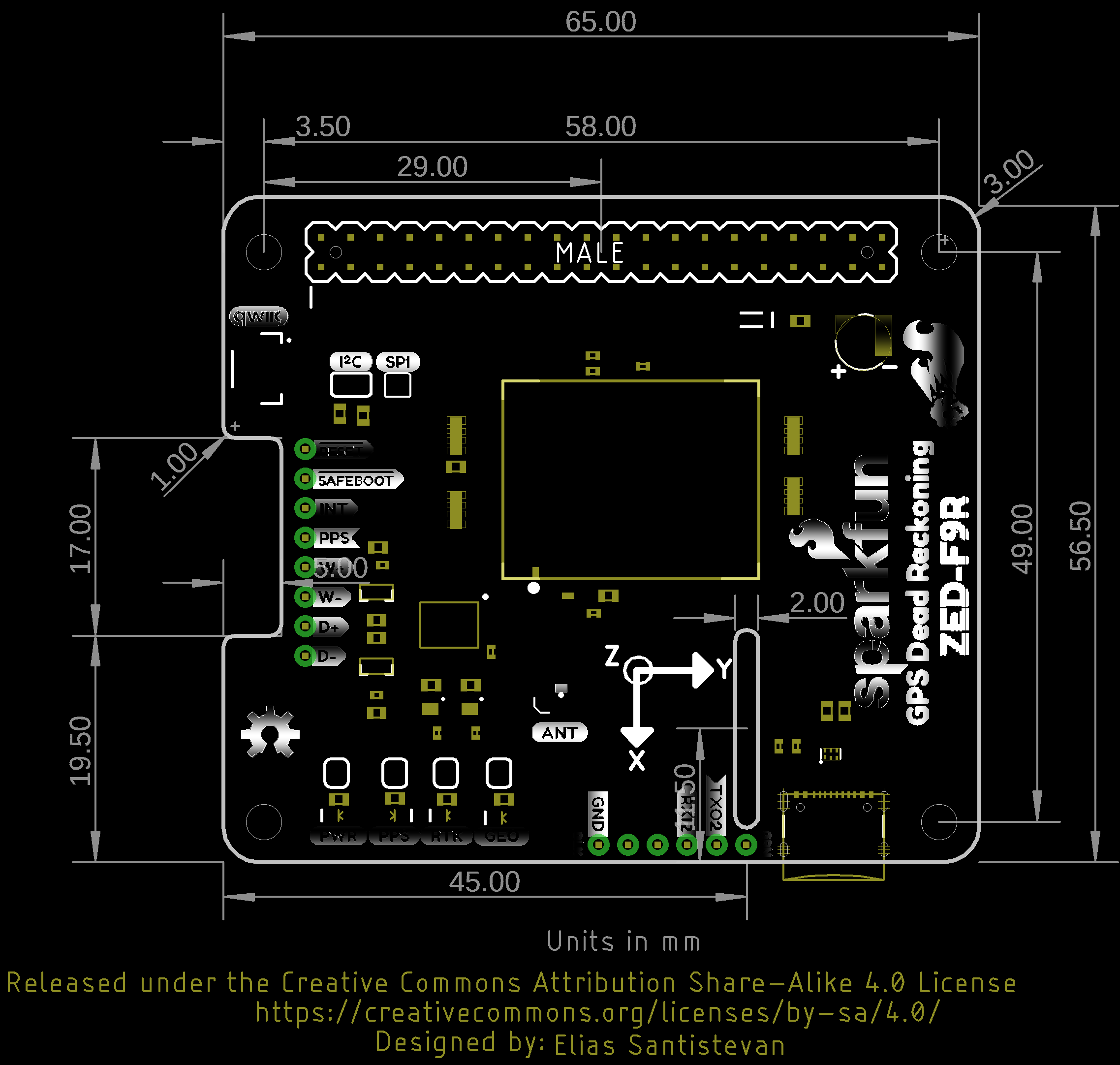
- SparkFun u-Blox ZED-F9R pHAT
- u-blox Module Documentation
- SFE Product Showcase
Are you looking for a GPS receivers? Check out the following GPS boards from the SparkFun catalog!
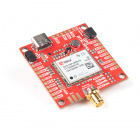
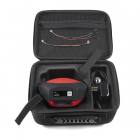
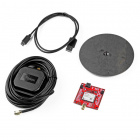
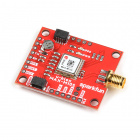
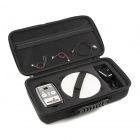
Note: If you are looking for more of a packaged solution, check out the RTK Express Plus! The ZED-F9R is built in with the ESP32. Users can take advantage of the software to easily connect to a correction source via ESP32's Bluetooth.
 Retired
SparkFun RTK Express Plus Kit
GPS-18589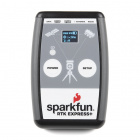

Need some inspiration for your next project? Check out some of these related tutorials:
GPS Logger Shield Hookup Guide
How to assemble and hookup the SparkFun GPS Logger Shield. Never lose track of your Arduino again!
SparkFun GPS NEO-M9N Hookup Guide
The u-blox NEO-M9N is a powerful GPS unit that comes with a chip antenna, SMA connector, and u.FL connector. We will quickly get you set up using the Qwiic ecosystem and Arduino so that you can start reading the output!
GNSS Timing Breakout - ZED-F9T (Qwiic) Hookup Guide
Follow this guide to add up to 5 nanosecond timing accuracy under clear skies with no external GNSS correction with the GNSS Timing Breakout - ZED-F9T (Qwiic).
SparkFun RTK Facet Hookup Guide
Setup the RTK Facet in minutes to begin gathering millimeter level geospatial coordinates.
Or check out this blog post for ideas.