Qwiic 6DoF - ISM330DHCX Hookup Guide
Contributors:
Ell C

Resources and Going Further
Now that you've successfully got your Qwiic 6DoF or 6DoF Micro up and running, it's time to incorporate it into your own project!
For more information, check out the resources below:
- Qwiic 6DoF
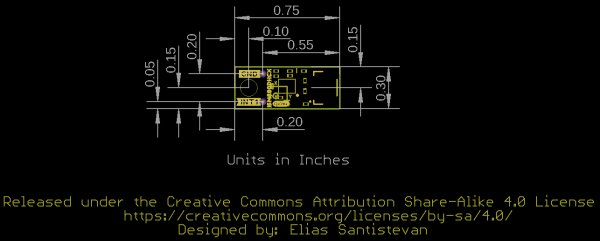
- Qwiic 6DoF Micro
- Shared:

Need some inspiration for your next project? Check out some of these related tutorials:
Humidity-sensing LED Flower
How about that humidity? This tutorial shows how to add sensing capability to the 21st Century Fashion Kit's RGB flower project.
Force Sensitive Resistor Hookup Guide
How to hook a force-sensitive resistor up to an Arduino to measure pressure variances.
Garmin LIDAR-Lite v4 (Qwiic) Hookup Guide
Connecting the Garmin LIDAR-Lite v4 to a microcontroller just got easier! Check out our hookup guide to get started.
Getting Started with Machinechat
Organize and display your data with SparkFun's Artemis OpenLog and MachineChat's JEDIOne!